
Secondary service
Freight & Cargo Salvage
Damage assessments, cargo disposition and recovery reporting for freight and commodity losses, from the terminal to the final salvage sale.
Overview
Cargo losses run on a different clock and different paperwork
A freight loss is a property loss with a delivery schedule attached. The goods are in someone else’s custody, the receiver has already refused them, detention is accruing, and the document that decides the claim — the delivery receipt with the exception written on it — was completed in a few seconds on a loading dock. US Claims Solutions inspects damaged and rejected freight at the terminal, warehouse or cross-dock, documents the exception properly, and moves the load to a disposition that recovers value instead of accruing storage.
The commercial rules are not the same either. Carrier liability under a bill of lading, released value limitations, salvage obligations and the receiver’s right to reject all shape what can be recovered and from whom. An inventory that ignores those and simply counts cartons answers the wrong question. OS&D is where a cargo claim is won or lost.
Method
From exception to disposition
01
Getting to the freight while it is still where it stopped
Terminal · Cross-dock · Receiver’s dock · Warehouse floor
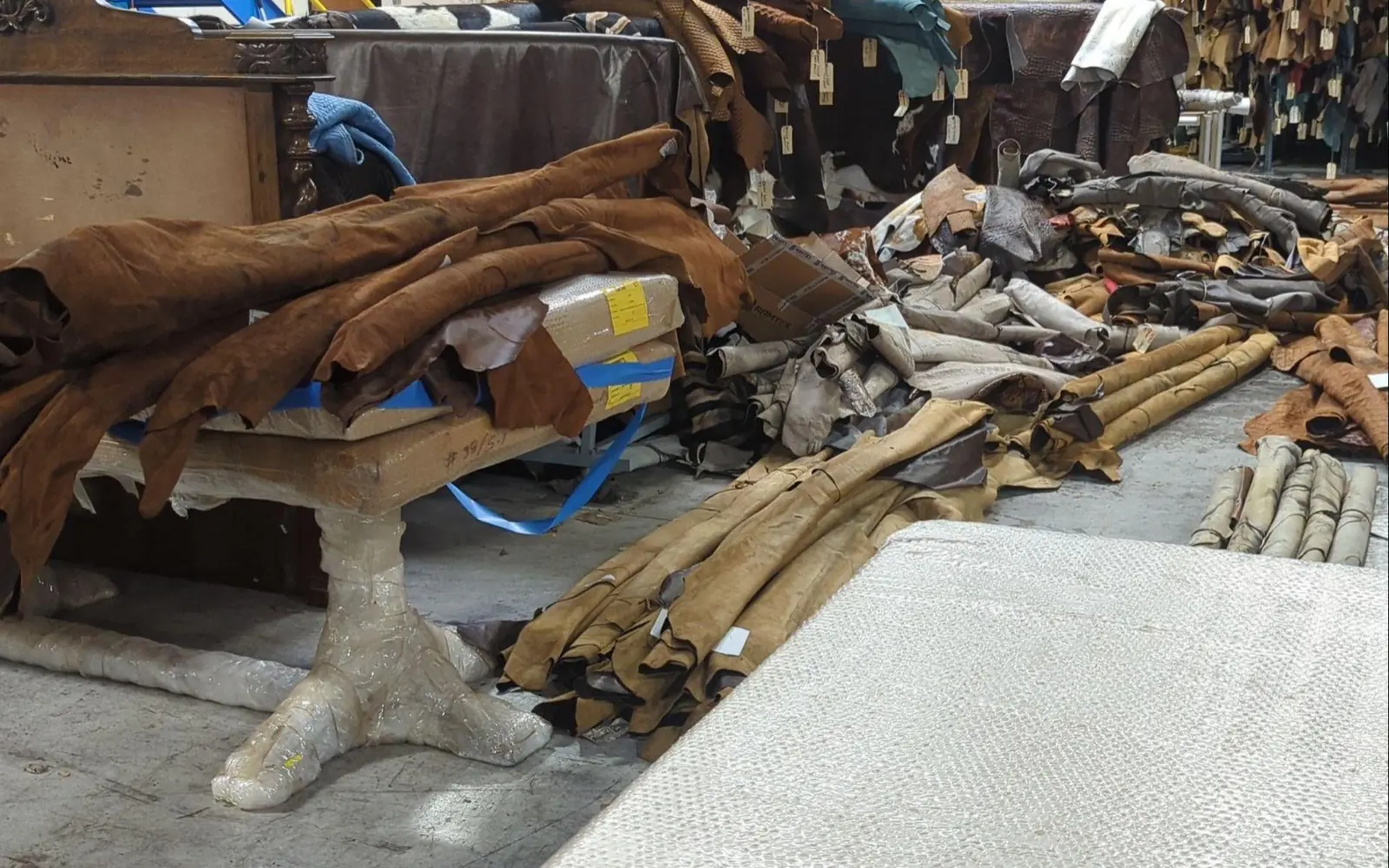
Rejected freight does not wait politely. It occupies a dock door someone needs, and it gets moved, restacked and re-wrapped in ways that destroy the evidence of how it was damaged. Consultants inspect where the load stopped, as soon as the assignment lands, and photograph it as found — pallet wrap intact or broken, load shift, crush pattern, water line on the carton stack. Half the disputes on a cargo claim are about when the damage happened, and only the condition of the load as it sits answers that.
02
Documenting the exception so it survives
Delivery receipt notation · Piece counts · Seal record · Temperature data
A delivery receipt marked “damaged” is nearly useless; one that records twelve cases crushed on the left rear of the second pallet, with photographs and a piece count, is evidence. Consultants record the exception in the form the claim will need later, including seal numbers and, on temperature-controlled loads, reefer download data. More on documenting a cargo exception.
03
Assessing the goods, not the packaging
Concealed damage · Contamination · Saleability · Regulatory status
A crushed carton around an undamaged product is a different claim from an intact carton around contaminated product. Consultants open and assess the goods themselves, and record whether the product remains saleable, saleable at a discount, saleable only outside the original channel, or not saleable at all. Food, pharmaceutical and regulated product frequently cannot re-enter the supply chain regardless of condition, and treating that as a valuation question rather than a compliance one is how a recovery becomes a liability.
04
Disposition without letting it sit
Salvage buyers · Secondary channels · Returns to shipper · Certified destruction
Every day a rejected load sits, storage accrues and condition falls. Consultants route goods to the buyers who handle that commodity, return to the shipper where that is the better outcome, or document destruction where the product cannot be released. More on rejected cargo disposition.
A worked example
A rejected retail load that was worth more split than whole
A trailer of mixed retail stock was refused at the receiver after a load shift in transit. Several pallets had collapsed, the outer cartons were crushed, and the receiver rejected the entire shipment rather than sort it on their dock — which is normal and within their rights.
Inspection at the terminal found that the damage was concentrated. A minority of the pallets had genuine product damage; the rest had crushed shipping cartons around undamaged goods. As a single rejected load it was worth a liquidation price. Sorted, documented and split into product-damaged and packaging-damaged lots, most of it was saleable into secondary retail channels at a substantially better figure.
Consultants recorded the exception against the delivery receipt, photographed the load as found before anything was moved, sorted and counted by condition, and solicited from buyers who deal in that commodity. The salvage return, net of sorting and re-palletising, comfortably exceeded what the whole-load offer would have produced.
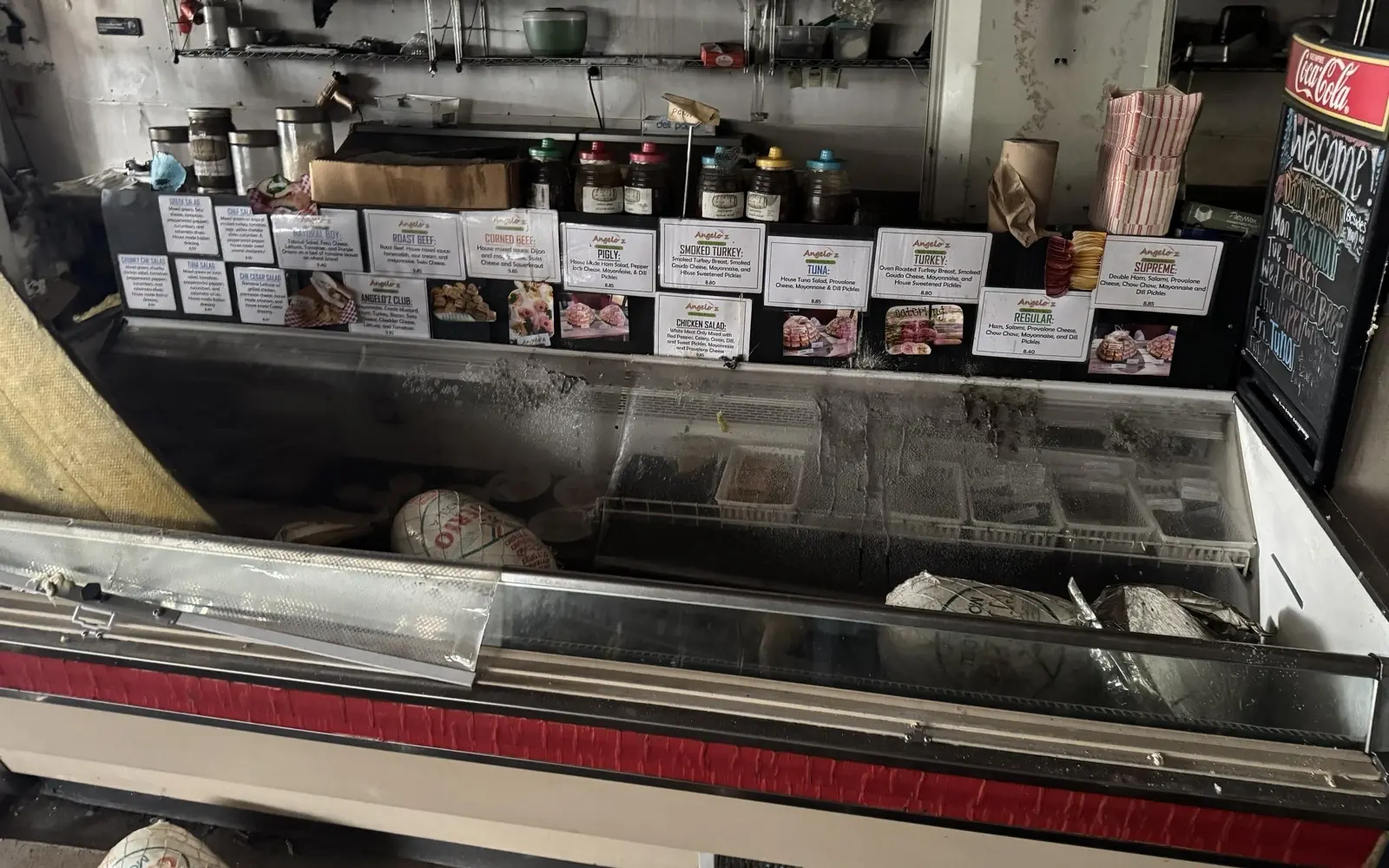
Representative assignment. Clients are not identified without written permission. Photographs are from US Claims Solutions field work and are illustrative of the property class described.
FAQ
Questions about freight and cargo claims
Cargo insurers, motor and intermodal carriers, freight brokers, logistics providers and shippers all engage us. The work is the same regardless of who assigns it: document the condition, establish where the damage occurred, and recover what can be recovered.
Usually same or next day, nationwide. Speed matters more on freight than on a building loss, because the load will be moved and storage begins immediately.
Rarely, and never on condition alone. Regulated product that has left the controlled chain generally cannot re-enter it, so the outcome is documented destruction rather than a sale. We record the basis for that decision so the claim shows why no recovery was taken.
That is common, and it is usually the right commercial decision for them. The load is inspected and sorted by condition, which frequently shows that most of it is saleable somewhere other than the original channel. A whole-load rejection is a starting point, not a verdict on the goods.
Related reading
Go deeper on this
Freight sitting on a dock right now?
Storage and condition both move in the wrong direction from day one. Call the 24/7 line and we will get a consultant to the terminal.
Last updated